

Aesthetic Treatment Myths vs. Facts: What Patients Need to Know Before Booking
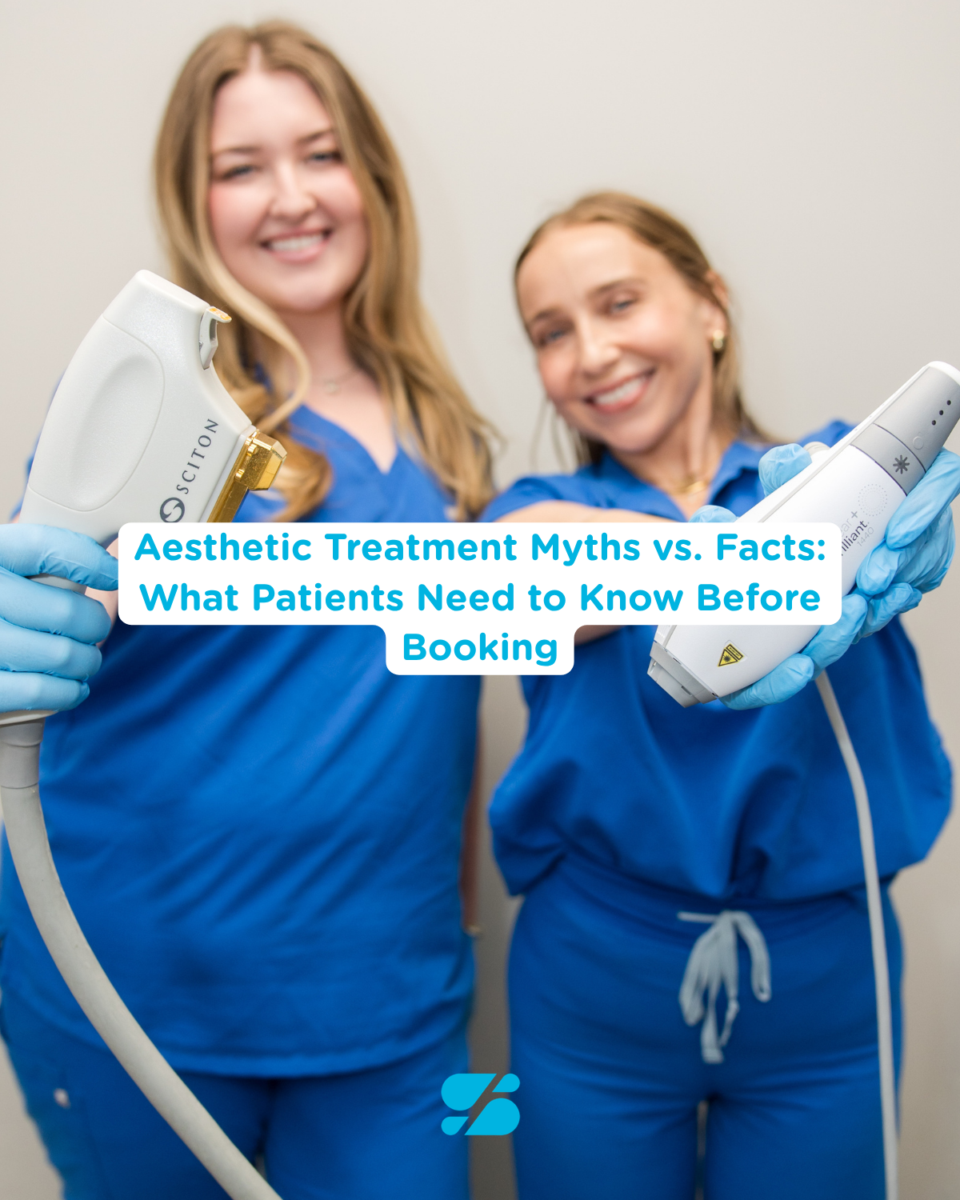
You’ve probably heard it before: “Chemical peels are too harsh,” or “microdermabrasion is painful.” These myths keep many people from pursuing treatments that could genuinely transform their skin. The truth? Most aesthetic procedures are far more comfortable and predictable than the rumors suggest.
In this post, we’re setting the record straight. From chemical peels to microdermabrasion to DiamondGlow®, we’re breaking down the most common misconceptions about aesthetic skin treatments so that you can make confident, informed decisions about your care.
Aesthetic Treatment Myths vs. Facts
- Microdermabrasion is not painful; most patients describe it as mild pressure or a light scratching sensation.
- Chemical peels don’t always cause dramatic flaking—skin response depends on the peel depth and your individual skin type.
- Aesthetic treatments are not one-size-fits-all; a skilled provider tailors every treatment to your skin’s needs.
- Downtime for most aesthetic procedures is minimal, and many patients return to their normal routine the same day.
- Starting aesthetic treatments earlier can support long-term skin health, not just correct existing damage.
Common Myths About Aesthetic Skin Treatments, Debunked
Misinformation about aesthetic care is surprisingly common, and it’s understandable. These treatments sound clinical, and without context, the names alone can feel intimidating. But the reality of modern aesthetic dermatology is much less scary—and much more effective—than the myths would have you believe.
Myth #1: “Microdermabrasion Is Painful”
The Facts: Microdermabrasion is one of the most widely requested aesthetic treatments precisely because it’s so comfortable. The procedure uses a diamond-tipped or crystal-based handpiece to gently exfoliate the outermost layer of skin, removing dead cells and encouraging cell turnover. Most patients describe the sensation as mild pressure or a light scratching, similar to a cat’s tongue moving across the skin.
There’s no anesthesia required and no recovery period. Redness may appear for a few hours afterward, but the vast majority of people return to their normal activities immediately. If you’ve been wondering whether microdermabrasion is painful, the honest answer for most patients is: not really.
Myth #2: “Chemical Peels Always Cause Aggressive Peeling”
The Facts: The name “chemical peel” conjures dramatic images of raw, flaking skin—and while deeper peels can involve some visible shedding, that’s not the experience most patients have. Chemical peels exist on a spectrum. Superficial peels, which are among the most commonly performed, cause little to no visible peeling at all. You might experience some mild dryness or flakiness over a few days, but nothing that would disrupt your routine.
The degree of exfoliation depends on:
- The type of peel
- The solution’s concentration
- Your skin’s unique response
Your provider will recommend the appropriate depth based on your goals and skin type—so “do chemical peels hurt?” really comes down to which peel you’re getting and how it’s administered.
Derm Note: Medium and deeper peels may involve more noticeable peeling and a brief recovery period, but they’re also used for more significant concerns. They’re also performed under professional supervision to keep you comfortable throughout.
Myth #3: “Aesthetic Treatments Are Only for Older Patients”
The Facts: This is one of the most persistent misconceptions in skincare. Aesthetic treatments aren’t reserved for patients dealing with deep wrinkles or advanced sun damage. Many people in their 20s and 30s benefit from regular exfoliating treatments like microdermabrasion and chemical peels as preventive care—maintaining skin clarity, evening out tone, and keeping pores clear before more significant concerns develop.
Starting a consistent aesthetic treatment routine earlier in life is one of the best investments you can make in your long-term skin health. At Skin Wellness Dermatology, consultations are available to help you figure out the right starting point, regardless of your age or current skin concerns.
Why Preventive Aesthetic Care Matters
Think of aesthetic treatments the way you’d think of regular dental cleanings: they’re maintenance, not emergency repair. Consistent care keeps your skin functioning well, which means fewer concerns to address down the road. According to the American Academy of Dermatology, establishing a skin care routine that includes professional treatments earlier in life can meaningfully slow visible aging.
Frequently Asked Questions About Aesthetic Skin Treatments
Is microdermabrasion the same as a chemical peel?
No. Microdermabrasion and chemical peels are two distinct treatments that work in very different ways. Microdermabrasion uses a diamond-tipped or crystal-based handpiece to physically exfoliate the skin’s surface, making it a strong choice for:
- Dullness
- Mild texture concerns
- General skin maintenance
Chemical peels use carefully selected acids to promote cell turnover at varying depths, and are often recommended for:
- Pigmentation
- Acne scarring
- Uneven skin tone
Your provider will help you determine which treatment makes the most sense for your goals and skin type.
Do I need to take time off after an aesthetic treatment?
For most aesthetic services, downtime is minimal to none. Microdermabrasion, superficial chemical peels, and DiamondGlow® are commonly referred to as “lunchtime treatments” because patients can return to normal activities shortly after. More intensive treatments may cause mild redness or skin sensitivity for a few days, but your provider will walk you through clear aftercare instructions before you leave. The American Society for Dermatologic Surgery notes that recovery from superficial chemical peels typically involves only minor irritation, with most patients resuming daily activities right away.
If a treatment doesn’t hurt, does that mean it isn’t working?
Not at all. Comfort and effectiveness are not mutually exclusive in modern aesthetic dermatology. A superficial chemical peel that produces only mild tingling is still actively stimulating cell turnover, and a microdermabrasion session that feels like a gentle polish is still improving texture and tone. Today’s treatments are designed to deliver real, visible results through precision and the right technique, not through discomfort. The idea that pain signals progress is outdated thinking that doesn’t reflect how well-administered aesthetic care actually works.
The Bottom Line: Facts Worth Knowing Before You Book
The myths around aesthetic treatments often come from outdated information, dramatic before-and-after photos, or simply unfamiliarity with how modern dermatology works. In reality, most aesthetic procedures are comfortable, well-tolerated, and designed to deliver gradual, natural-looking results.
Here’s what’s worth remembering: microdermabrasion is not painful for the vast majority of patients; chemical peels don’t automatically mean aggressive peeling; and aesthetic care isn’t just for older patients trying to reverse damage. These treatments are effective tools when they’re matched to the right person and administered by a skilled provider.
Ready to Get the Facts Straight About Your Skin?
The best next step is a one-on-one consultation where you can ask your questions, share your goals, and leave with a clear plan built around your skin. Schedule an appointment at Skin Wellness Dermatology‘s Homewood or Greystone location, or contact us to learn more about which aesthetic treatments are right for you.