

Is Winter Really the Best Time to Get a Chemical Peel?
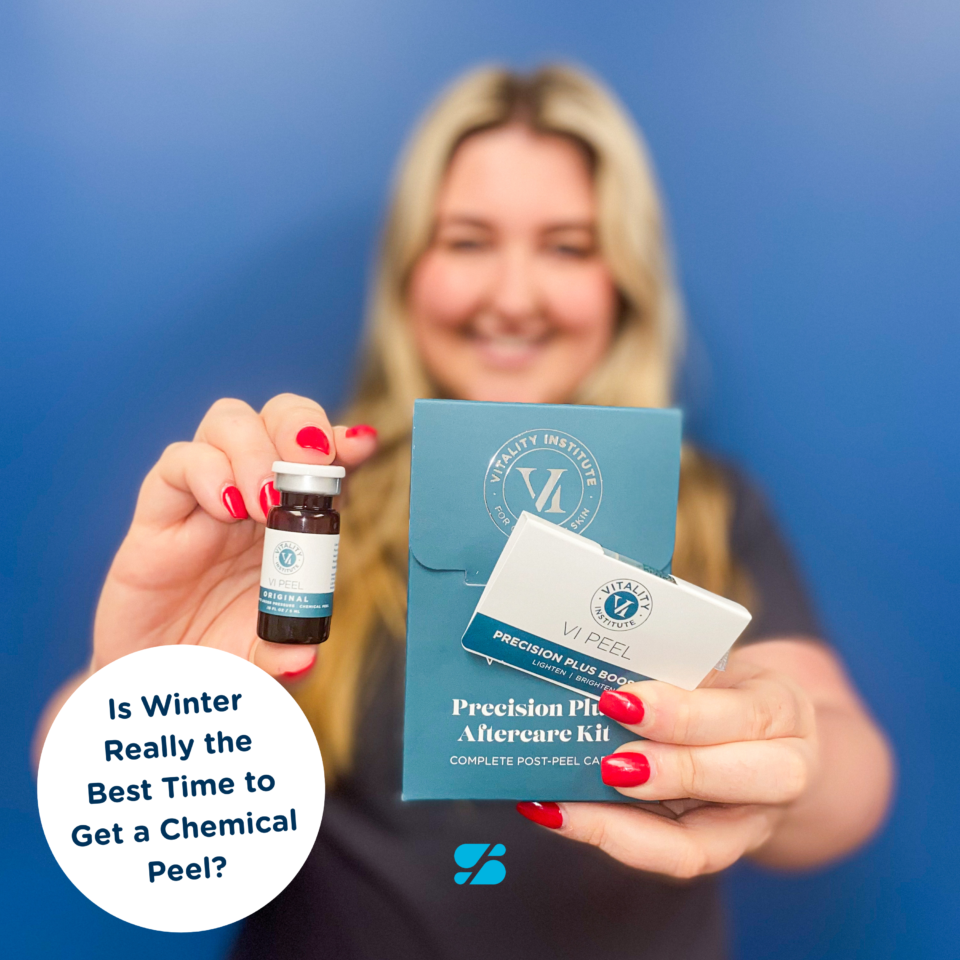
There’s something about winter that makes you slow down long enough to actually notice your skin. As the colder air settles in and the days grow shorter, your complexion naturally shifts, often becoming drier, duller, or more sensitive.
What many don’t realize is that this same seasonal change also creates the perfect environment for deeper renewal, especially treatments designed to exfoliate and refresh the skin.
That’s why winter is widely considered the ideal time for chemical peels. Let’s take a closer look at what makes this season so beneficial and how to time your treatment for the most radiant, refreshed results.
Why Winter Is the Ideal Chemical Peel Season
Lower Sun Exposure Means Safer Healing
One of the biggest reasons winter is considered the best time of the year to get a chemical peel is the simple fact that the sun is not as intense. Chemical peels remove the top layer of skin, exposing fresh new cells that are more sensitive to UV rays. In the summer, even a quick walk to the car can expose treated skin to stronger sunlight.
During winter, the days are shorter, you spend more time indoors, and UV levels naturally drop. This makes it easier to protect healing skin from unwanted dark spots or irritation. Even though sunscreen is still necessary, winter gives you a far gentler environment to work with.
Cooler Weather Supports a Smoother Recovery
After a peel, your skin goes through a period of sensitivity. Heat, sweat, and humidity can make that process feel uncomfortable and sometimes slow it down. Overheating also increases redness and inflammation, which can prolong the healing process. Winter’s cooler temperatures help avoid that and reduce the chance of irritation.
You are also more likely to wear hats, scarves, and protective layers, and many people spend more time at home during colder months. All of this makes winter a practical and comfortable time to let your skin rest and repair.
Chemical Peel in Winter: The Benefits Go Beyond Comfort
A Seasonal Reset for Dry, Dull Skin
Dry indoor heat and cold outdoor air work together to pull moisture from your skin all winter long. This can make texture, flaking, and dullness more noticeable. A chemical peel helps remove that buildup of dead skin cells, revealing a smoother, brighter surface underneath.
Winter can actually amplify the benefits of a peel because hydrating products and serums absorb more effectively once that outer layer is exfoliated. This improved absorption means your skincare routine works harder for you during the colder months.
Undoing Sun Damage From Previous Seasons
Even the most careful sun protection routine cannot prevent every effect of warm-weather exposure. Fine lines, uneven pigmentation, and rough patches often become clear by the time the weather cools down.
A chemical peel encourages cell turnover and helps fade those signs of previous sun exposure. Treating this damage in winter gives your skin a head start on healing and strengthening before sunnier months return.
By treating these concerns in winter, you give your skin time to recover and strengthen before spring returns.
When Is Chemical Peel Season Really?
Although chemical peels can be performed year-round, late fall through winter is the sweet spot for most people. This period gives you:
- Lower UV levels
- Cooler temperatures
- More consistent indoor time
- Skin that naturally needs extra support
If your skin tends to get dull or sensitive in colder months, winter may be the perfect time to schedule a peel and help your complexion rebound.
How to Get the Most Out of a Winter Chemical Peel
1. Keep Your Skin Hydrated
Winter air is dry on its own, and chemical peels increase the need for moisture. Use a gentle, nourishing moisturizer to support healing and keep flaky patches at bay. Your skin may require thicker or more frequent hydration than usual during this time.
2. Wear Sunscreen Daily
Even during winter, UV exposure still reaches your skin through windows and outdoor light. Daily sunscreen is essential for preventing pigmentation on freshly treated skin. Consistent SPF use also helps maintain and prolong your peel results.
3. Avoid Intense Heat and Sweating
For a few days after your peel, skip saunas, hot yoga, and strenuous workouts. Keeping your skin cool helps it transition through the peeling phase more smoothly. Most mild to medium-depth peels require only a few days of downtime, making winter scheduling much easier.
4. Choose the Right Peel for Your Skin
Chemical peels come in different strengths, and a professional provider can guide you toward a treatment that fits your skin type, concerns, and winter skincare goals. A personalized consultation ensures the peel is tailored to your sensitivity level and desired results.
Your Skin Deserves a Seasonal Refresh
Winter can feel like a challenge for your complexion, but it can also be an opportunity to improve it. Cooler months give your skin the right environment to rejuvenate, repair, and reveal its healthiest glow.
When you feel ready to explore a customized approach, Skin Wellness Dermatology offers professional chemical peels that align with your unique skin needs. Our team can recommend the right treatment and guide you through each step, helping you start the new season with renewed confidence in your skin.
Leading Cosmetic Dermatology in Birmingham, AL
Skin Wellness Dermatology is a leading provider of advanced skin treatments, combining medical expertise with aesthetic excellence. With offices in Homewood and Greystone, their board-certified dermatologists offer personalized care using state-of-the-art technology, helping patients achieve clearer, smoother, and healthier skin. Explore our services or request a consultation to get started.