
What Makes Ultherapy the Gold Standard for Dermatology Treatments?
When it comes to non-invasive aesthetic treatments, it can feel like everything gets lumped into one big category: lasers. Patients hear about devices that treat redness, visible veins, sun damage, acne scars, and skin laxity, and it’s easy to assume they all work the same way. In reality, the technology behind these treatments matters just as much as the results. One treatment in particular stands apart from traditional vascular and pigment lasers—Ultherapy.
At Skin Wellness Dermatology, we believe that understanding how a treatment works is just as important as knowing what it treats. Ultherapy is often discussed alongside lasers, but it uses a completely different form of energy and serves a unique purpose in dermatologic care. By looking at what makes Ultherapy different, the types of skin concerns it can support, and why board-certified dermatologists rely on it, patients can better understand where it fits into a results-driven treatment plan.
Not Everything Is a Laser & That’s a Good Thing
In dermatology, the word laser often becomes a catch-all term for any device-based treatment. While lasers are incredibly effective for many skin concerns, not every advanced treatment relies on light energy, and assuming they do can lead to confusion about what a procedure is actually designed to treat.
Traditional vascular and pigment lasers work by delivering targeted light into the skin, where it is absorbed by specific structures like blood vessels or excess pigment. This makes them excellent options for conditions such as rosacea, spider veins, port-wine stains, sun spots, and certain types of acne scarring. These treatments focus on what’s visible at or near the surface of the skin.
Ultherapy, however, is in a category of its own. Rather than using light, it uses microfocused ultrasound to reach deeper layers of skin that lasers can’t safely target. Its goal isn’t to fade redness or pigment, it’s to stimulate the body’s natural collagen-building process to gradually lift and tighten skin over time.
That distinction is exactly why board-certified dermatologists don’t see Ultherapy as a replacement for vascular lasers, but as a complementary tool that addresses an entirely different aspect of skin health.
How Ultherapy Works Beneath the Skin
Ultherapy is designed to treat something many other non-invasive treatments can’t fully reach: the deeper structural layers that support the skin. Rather than focusing on surface-level color or texture, Ultherapy works below the skin to stimulate the body’s natural regenerative processes, creating natural-looking improvement over time.
What Makes Ultherapy Different
- Uses microfocused ultrasound, not light or lasers
- Safely bypasses the surface of the skin without damaging it
- Delivers energy at multiple, precise depths within the skin
- Targets the same foundational layers addressed in surgical lifting, but without incisions or downtime
- Stimulates the body’s natural production of collagen and elastin
What Patients Experience From This Approach
- Gradual lifting and tightening rather than an immediate surface change
- Improvement in skin firmness over several months
- Natural-looking results that continue to develop as collagen rebuilds
- No disruption to daily activities after treatment
Why Dermatologists Often Combine Ultherapy With Other Treatments
Skin concerns rarely exist in isolation. Redness, discoloration, texture changes, and skin laxity often develop together, each affecting a different layer of the skin. This is why board-certified dermatologists don’t rely on a single device or treatment approach—and why Ultherapy is most powerful when used as part of a comprehensive, customized plan.
Ultherapy works by stimulating collagen deep within the skin’s foundational layers, helping to lift and tighten tissue over time. By strengthening the skin from within, it creates a supportive framework that allows other treatments to perform at their best and look more natural.
Skin concerns that pair especially well with Ultherapy:
- Rosacea or Facial Redness: Ultherapy can improve skin laxity without triggering surface inflammation, supporting firmness while redness is treated separately.
- Sun Damage and Pigmentation: While discoloration is addressed with targeted treatments, Ultherapy improves crepiness and loss of elasticity caused by long-term sun exposure.
- Acne Scars: By strengthening deeper support structures, Ultherapy can complement texture-focused treatments and improve overall skin firmness.
- Early Jowling or Jawline Softening: Ultherapy lifts and tightens underlying tissue, enhancing facial contour without surgery.
- Neck and Décolletage Aging: Ultherapy is FDA-cleared to lift and tighten skin in these areas, where collagen loss is especially noticeable.
By addressing skin laxity at a deeper level, Ultherapy allows board-certified dermatologists to treat aging and damage more holistically. Rather than focusing on a single concern, this layered approach reflects how skin changes over time; resulting in more balanced, longer-lasting, and natural-looking outcomes.
What You’ll Notice, Week by Week
One of the most important things to understand about Ultherapy is that results develop gradually. Because the treatment works by stimulating your body’s natural collagen production, improvement happens over time, not overnight. For many patients, this slower progression is actually a benefit, creating results that look natural.
Immediately After Treatment
In the hours or days following, some patients notice mild redness, swelling, or tenderness in the treated areas. These sensations are typically temporary and resolve quickly, allowing most people to return to normal activities right away. At this stage, visible changes are minimal, but the collagen-building process has already begun beneath the skin.
Six to Twelve Weeks
As new collagen starts to form, patients often begin to notice early signs of improvement. Skin may feel firmer or more supported, particularly along the jawline, neck, or brow. These changes are subtle but encouraging, signaling that the skin’s deeper structure is responding to treatment.
Three to Six Months
This is when Ultherapy results become more noticeable. As collagen continues to rebuild and strengthen, patients see increased lifting, tightening, and improved skin contour. The neck and décolletage often appear smoother, and facial features may look more defined.
Ultherapy Expertise at Skin Wellness Dermatology
At Skin Wellness Dermatology, Ultherapy is never treated as a one-size-fits-all solution. Our board-certified dermatologists approach this technology with a deep understanding of facial anatomy, skin biology, and how collagen changes over time. That expertise is essential when working with microfused ultrasound, which delivers energy to precise depths beneath the skin.
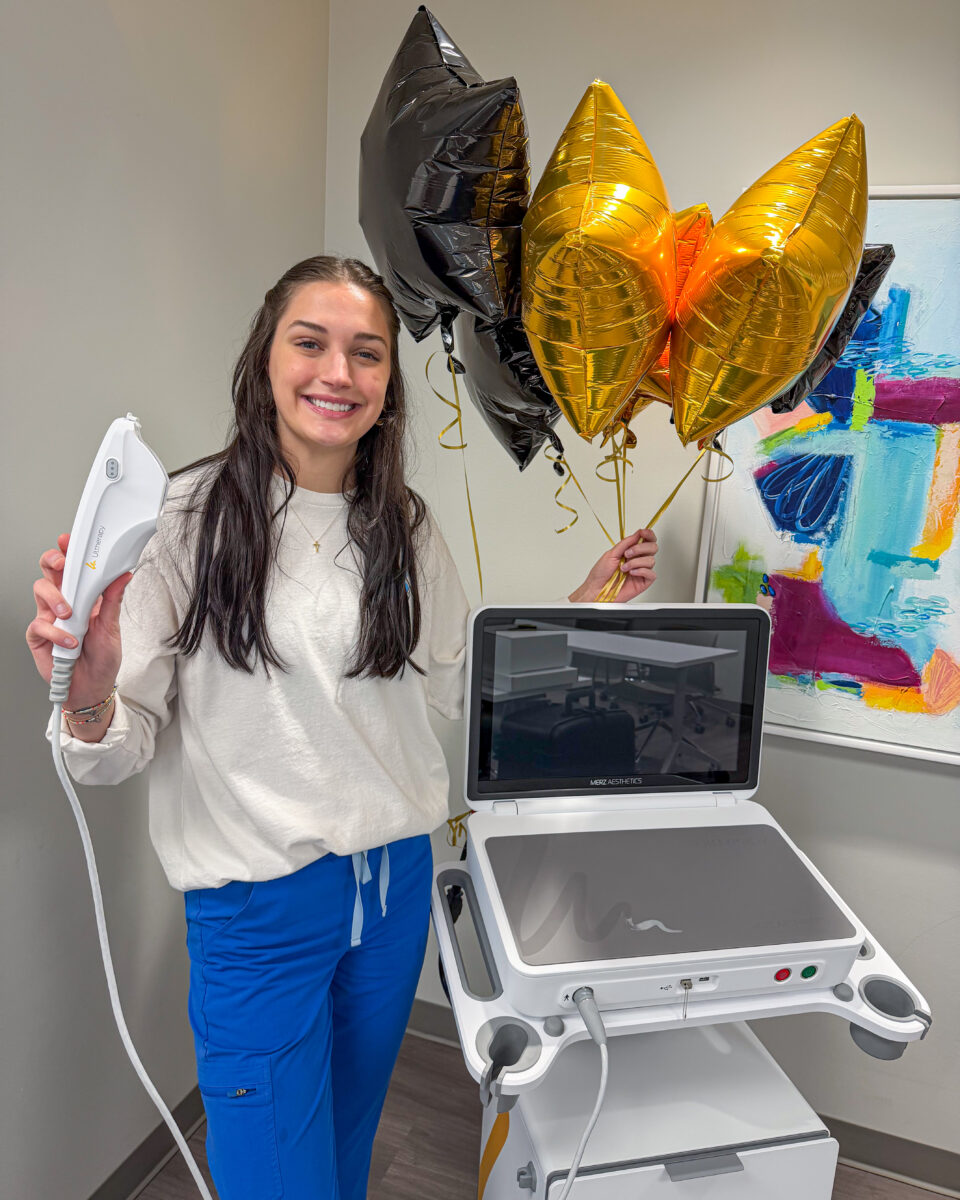
What sets Ultherapy apart is its ability to visualize the layers being treated in real time; and our providers are trained to use this imaging to customize each treatment. Depth, placement, and treatment mapping are carefully tailored based on your unique anatomy, skin concerns, and long-term goals.
Because we offer a full range of medical, laser, and energy-based treatments, Ultherapy is never recommended in isolation. Instead, it’s thoughtfully integrated into a comprehensive care plan to support overall skin health, balance, and longevity.
Ready to Get Started?
If you’re noticing skin laxity, loss of firmness, or early signs of aging and want a non-invasive option with no downtime, Ultherapy may be an excellent fit. A personalized consultation at Skin Wellness Dermatology allows our board-certified dermatologists to evaluate your skin, discuss your goals, and determine whether Ultherapy or a combination of treatments will deliver the best results.
Schedule your consultation today and discover how expert-guided care and advanced technology can work together to support healthy, confident skin; now and in the years ahead.